Turn your backyard into a wildlife habitat
I stopped caring about raked leaves many autumns ago.
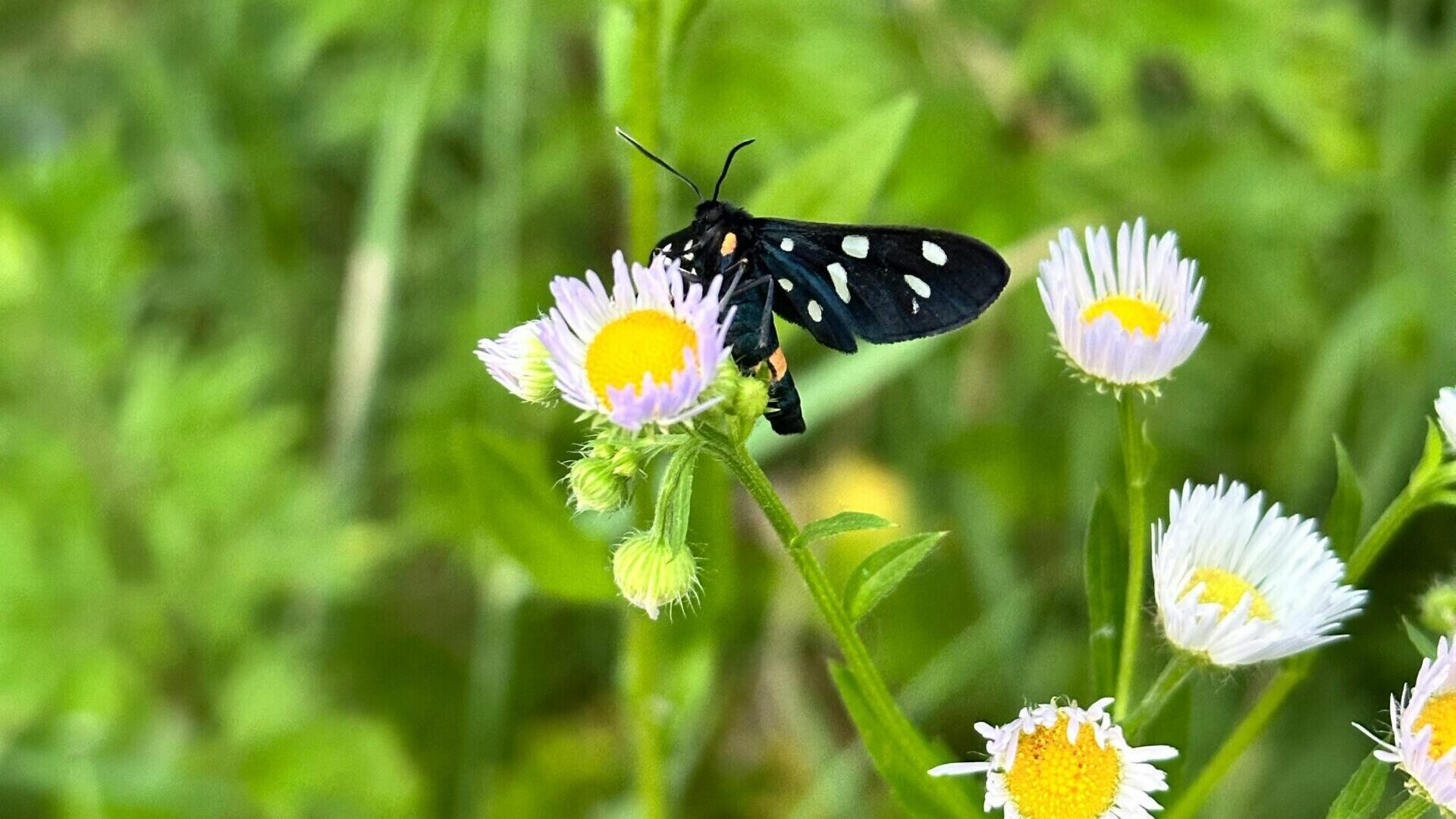
I read one thing about what lives in that leaf litter over winter and I could not unknow it. Ground beetles. Native bees. The eggs of moths I had been planting flowers to attract all summer. I had been tidying away exactly what I was trying to grow.
That was the beginning of looking at my yard differently. Not just as a space to maintain. As something already doing something, with or without my help. My job, I started to realize, was mostly to get out of the way.
I do not have a lot of land. A modest yard in the suburbs, a few containers on my patio, a patch I have slowly been converting from concrete and grass to something more interesting. I used to think a backyard wildlife habitat was something you needed acreage for. Turns out the scale is almost irrelevant. Small decisions in that space compounded quickly. One season of leaving the leaves. A border of native flowers along the shared yard space. Stopping the synthetic fertilizer and starting a compost mix. The plants started responding in ways that surprised me.
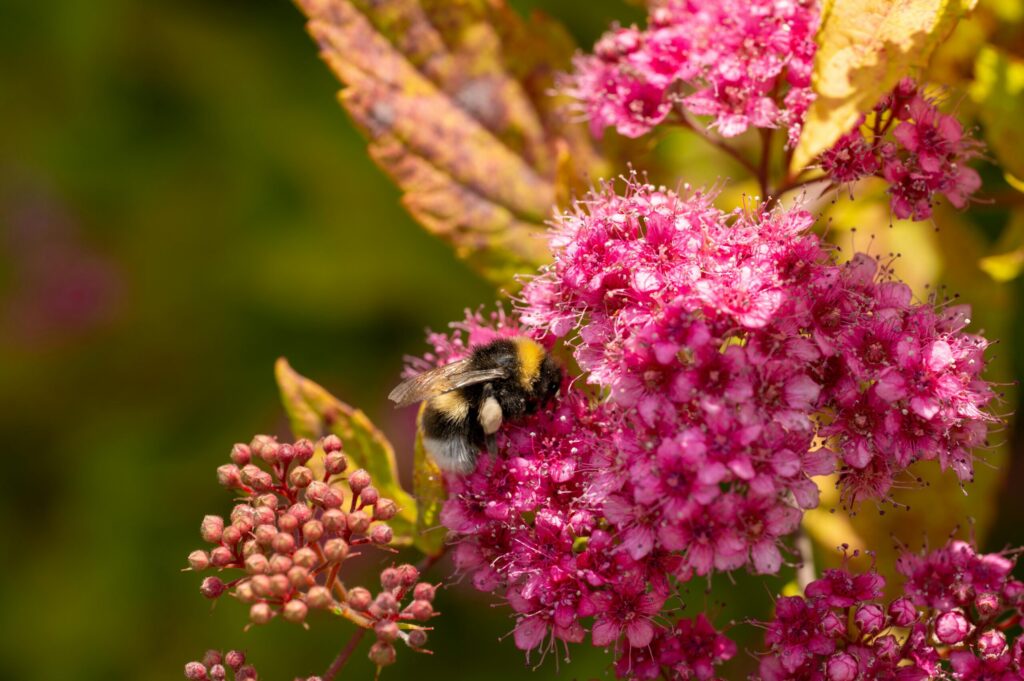
The bees came first. Then more birds, looking for the insects the flowers were attracting. A toad showed up under the hosta, and I have not seen a slug since.
None of it required a plan. It required mostly stopping. Stopping the spraying, stopping the cutting back, stopping the assumption that a tidy yard was a healthy one.
Here are the four shifts that made the most difference in my space, if you are looking for somewhere to start.
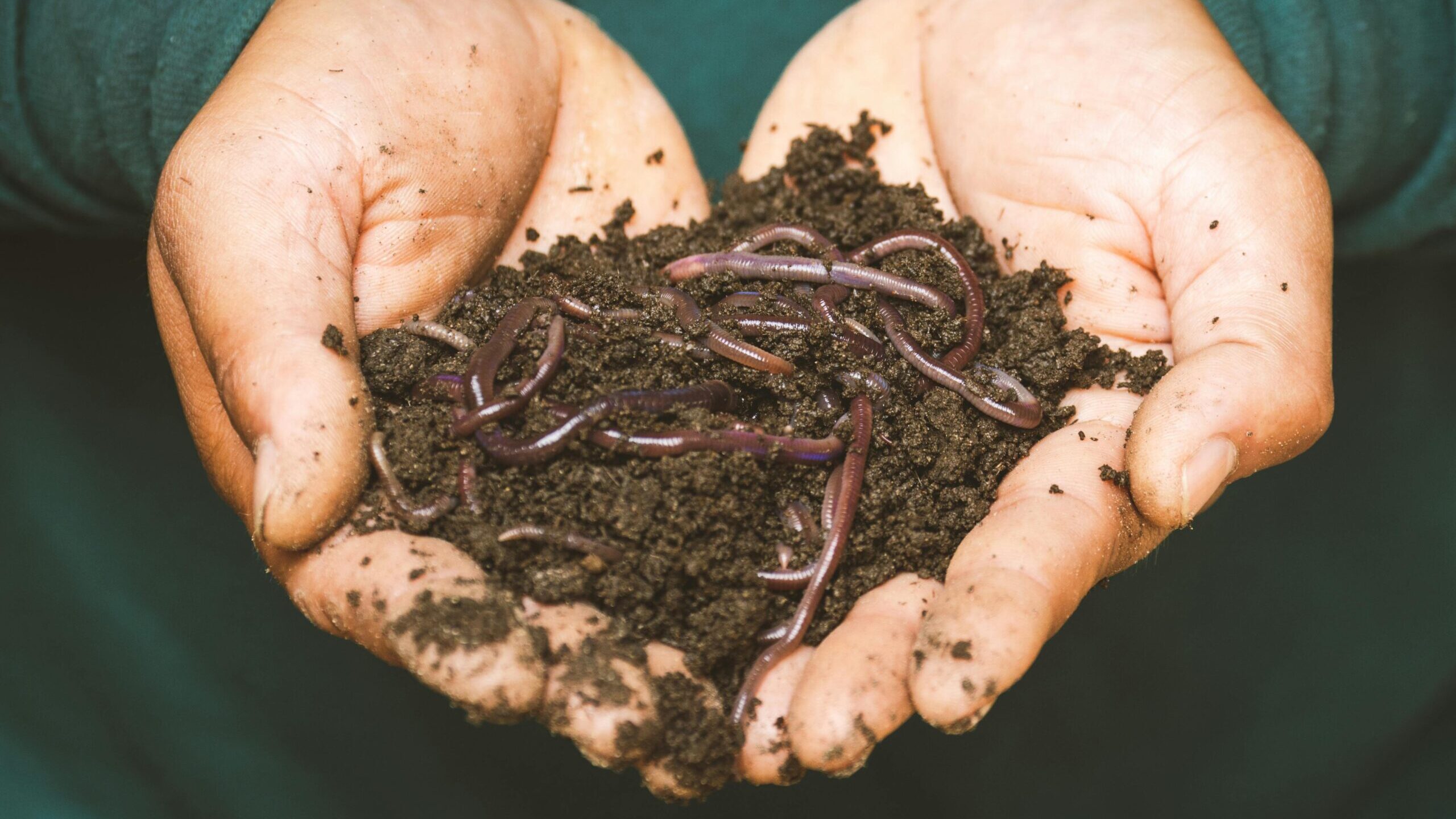
Swap the chemicals for compost. Synthetic fertilizer feeds the plant but starves the soil. Compost feeds everything. Kitchen scraps, leaves, coffee grounds. It takes almost nothing to start and the soil change over a single season is visible.
Leave the leaves longer than feels comfortable. Until late spring if you can. What looks like mess is a whole season of habitat. Native bees nest in it. Beneficial insects overwinter in it. The soil underneath gets richer every year.
Add one thing pollinators can use. One pot of native flowers on a balcony counts. A strip of clover left to bloom in the lawn counts. A shallow dish of water with a few rocks in it counts. The scale does not have to be grand to matter.
Let some things go to seed. I used to deadhead everything. Now I leave many of the plants standing through winter. The goldfinches found them the first year and have come back every year since.
Creating a backyard wildlife habitat does not have to require a landscaping plan or a big budget. Your yard already knows what to do. Most of what it needs from you is permission.
Pick one thing from this list and try it this season. Just one. See what shows up.