
I was reading an article about what to eat, and somewhere in the middle of it I realized I had read the same article probably at least four times before. Different website. Different author. Same circular advice that somehow still left me standing in my kitchen not knowing what to make.
That was the problem. The information kept coming and I kept taking it in and I kept feeling further from anything that actually worked.
I had real health challenges that brought me there. It was the kind of thing where your body stops cooperating in ways you cannot ignore, and you go looking for answers, and the internet hands you seventeen of them and none of them agree or actually work. I was trying things that were supposed to help, and some of them were making it worse. I was paying attention in all the wrong directions.
That was the problem. The information kept coming and I kept taking it in and I kept feeling further from anything that actually worked.
What shifted it was getting some actual support, working with someone who helped me understand what my body was dealing with, and finding a frame that made sense for my specific situation. For me that frame was macros. Protein, fat, carbohydrates, in a range that worked for my health history. That was it. Not a list of superfoods. Not an elimination protocol. Not counting calories. Just a basic structure that gave me something to work with.
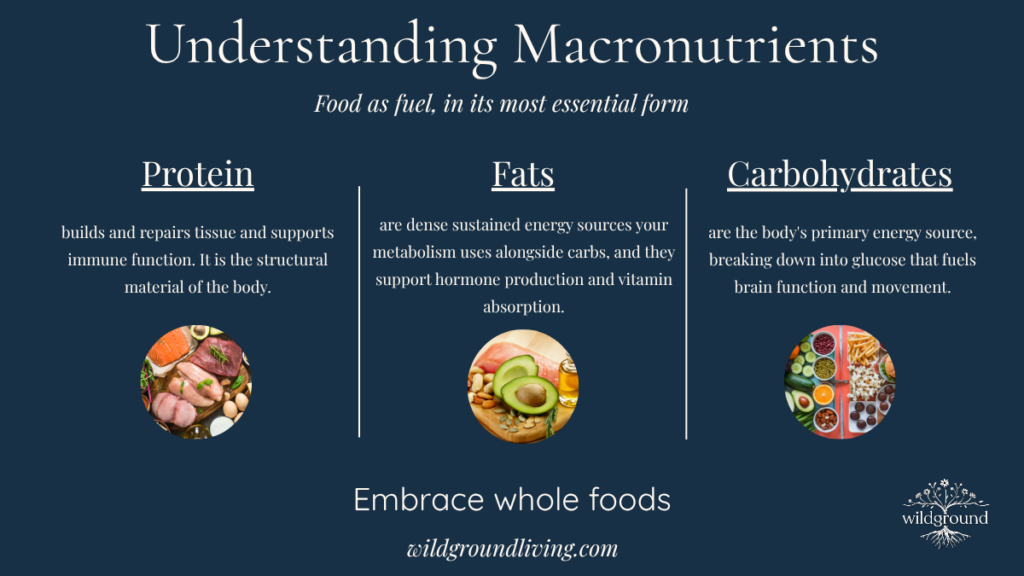
Inside that structure, the question became simple: where is this macro coming from, and what is the most whole food version of it?
That question changed everything. Because it was not a list of rules. It was one question I could ask about anything I was already eating.
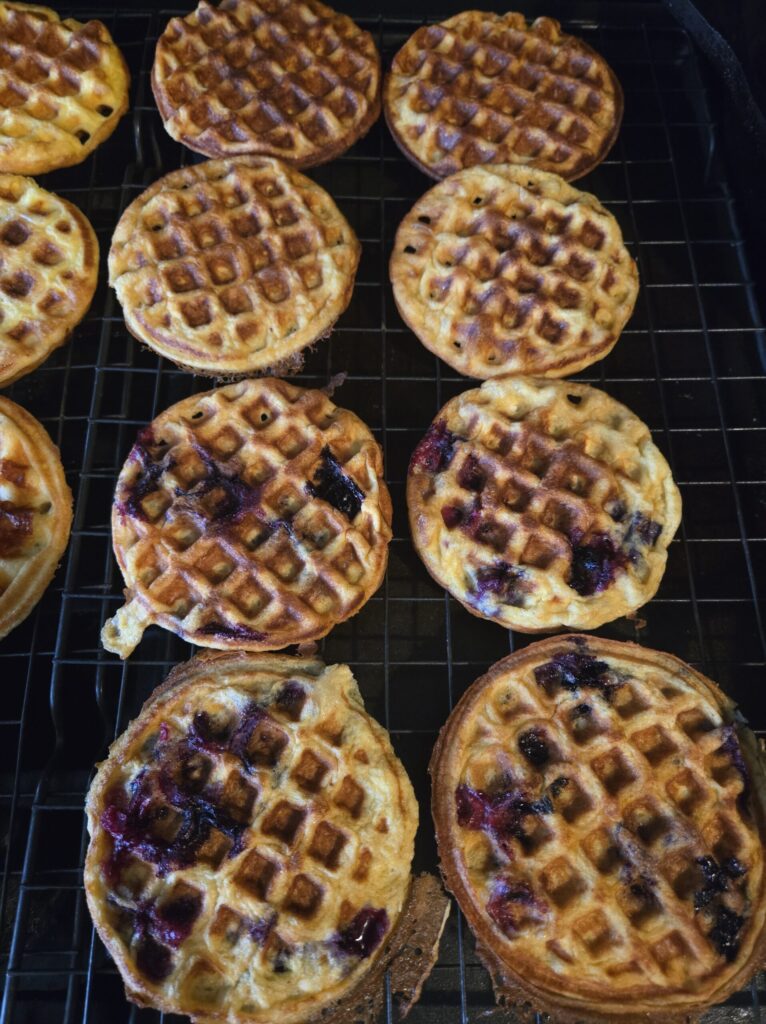
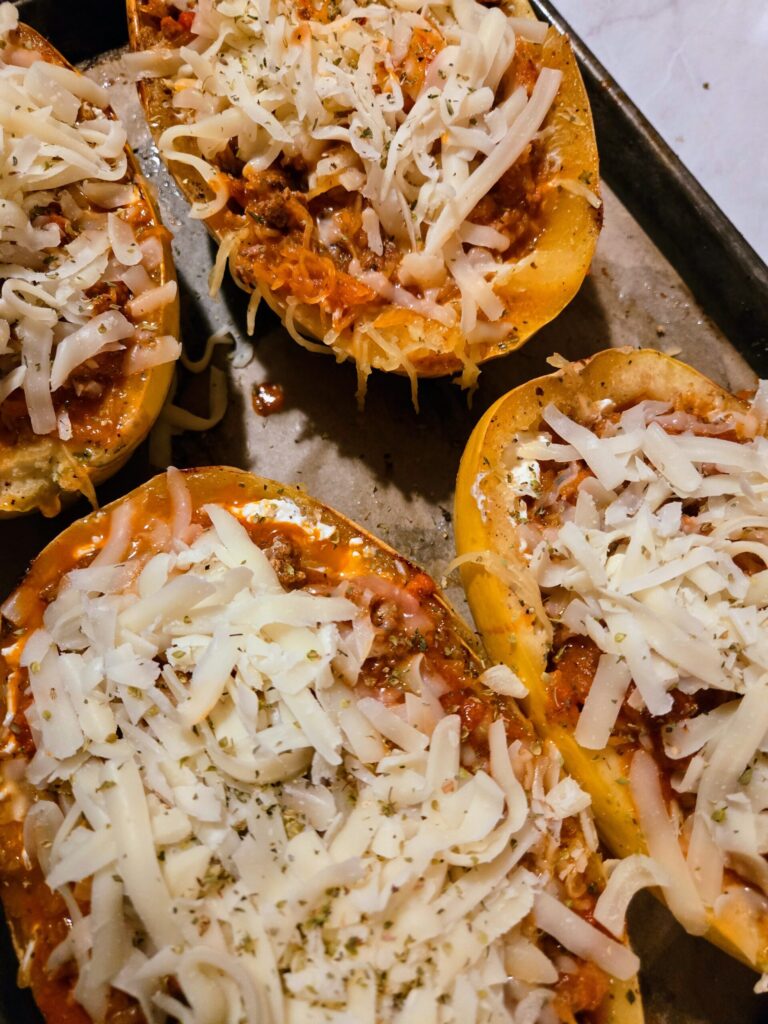
The swaps came out of that. They were never about deprivation. They were about finding the version of the same thing that was closer to actual food. Spaghetti squash instead of pasta noodles. Radishes in a stew instead of baby potatoes. Chaffles instead of burger buns. Half and half in my coffee instead of sugary creamer. These are small things. They sound small. But when you make them every single day, they stop being swaps and start being just how you eat.
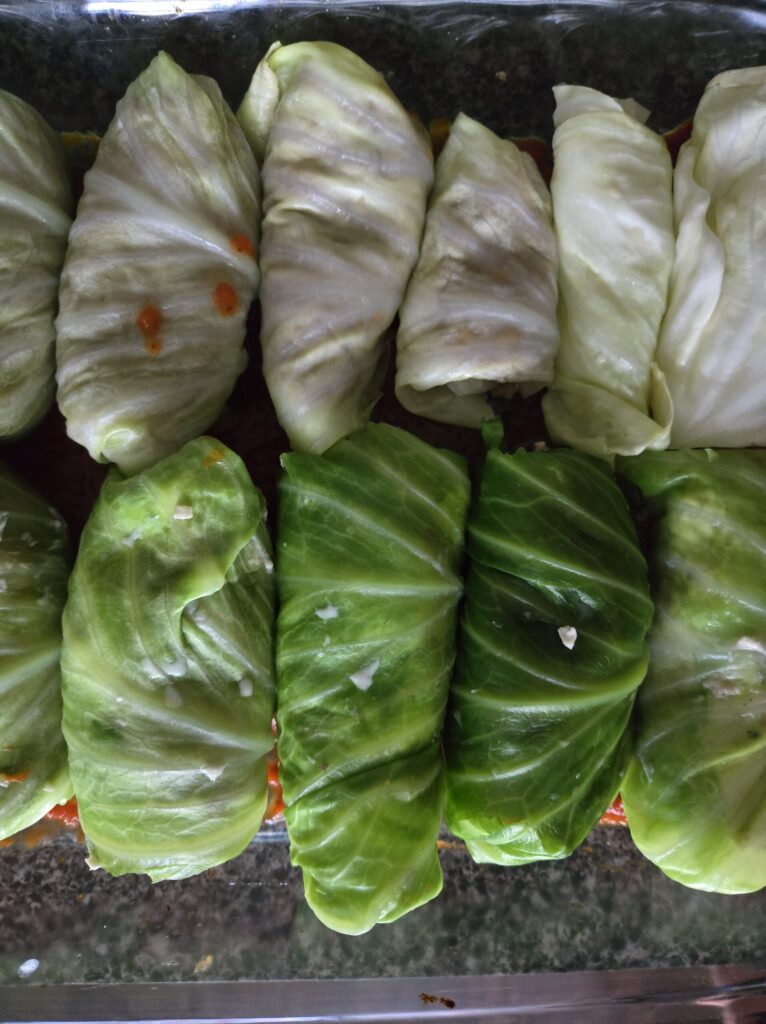
My husband and I were eating the same dinners. The food on the table looked the same as it always had. It was still real food, still meals worth sitting down to. The difference was in the sourcing, in the question I was asking when I planned what we were making. Is this coming from something whole? Can I get there without making this complicated?
Usually the answer was yes. Usually it did not cost more or take longer. It just required paying attention in a different way than I had been.
Then came the stomach healing or maybe balancing. There were foods that used to hurt me, and they eventually stopped hurting. My body was not permanently broken. It was trying to get my attention, and once I gave it the space and the support it needed, things started to repair. The range of foods I could eat expanded. The anxiety around eating started to quiet. That did not happen in a week. It happened slowly, across months, in the ordinary rhythm of making and eating real meals. Every. Single. Day.
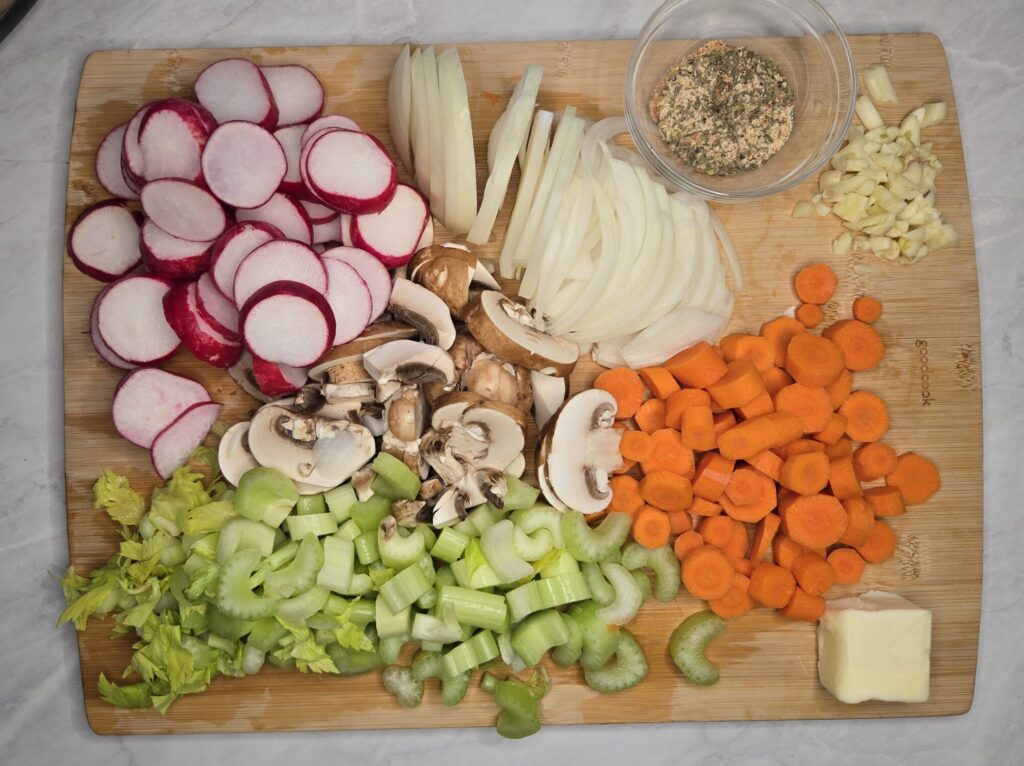
What I want you to take from this is not a specific macro ratio or a list of swaps to memorize. What I want you to take is the question. When you are standing in your kitchen looking at what you are about to make, ask it: what is the most whole food version of this? You probably already know the answer. You do not need more information. You need a question that is small enough to actually use.
Start there. One meal. Ask the question. That is the whole practice for now.



3 Responses